Room to Play – Exhibitions at The Wee Hub

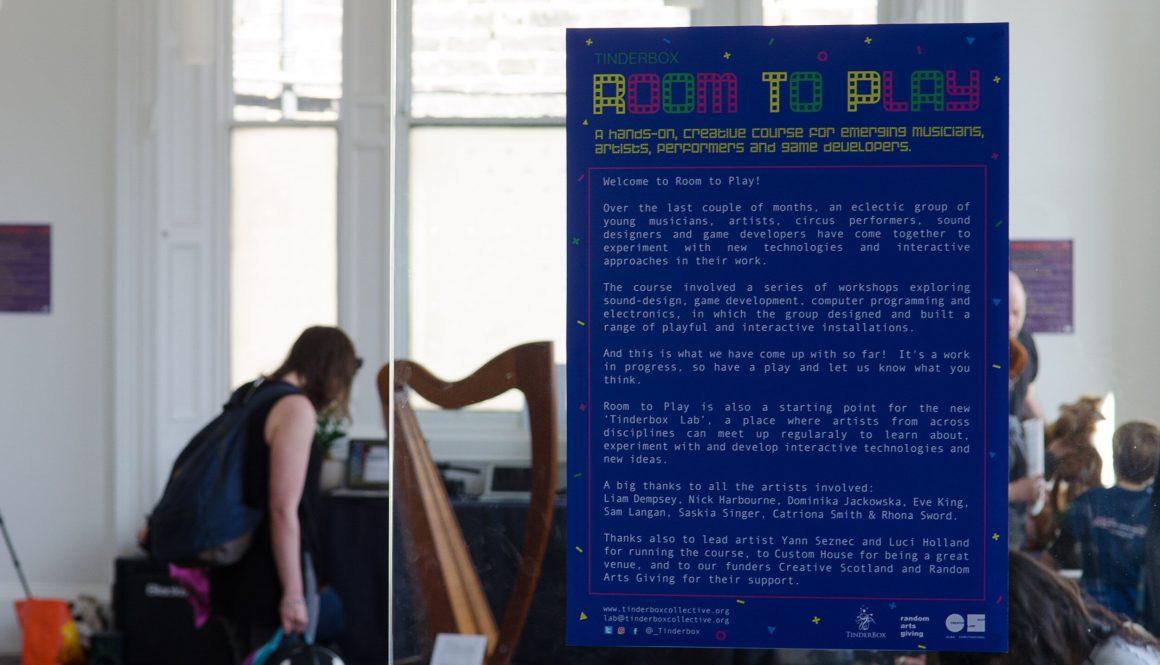
The Room to Play artists have been working tirelessly building these beautiful installations! You can visit the exhibit next at Hidden Door 2023! 31st May – 4th June

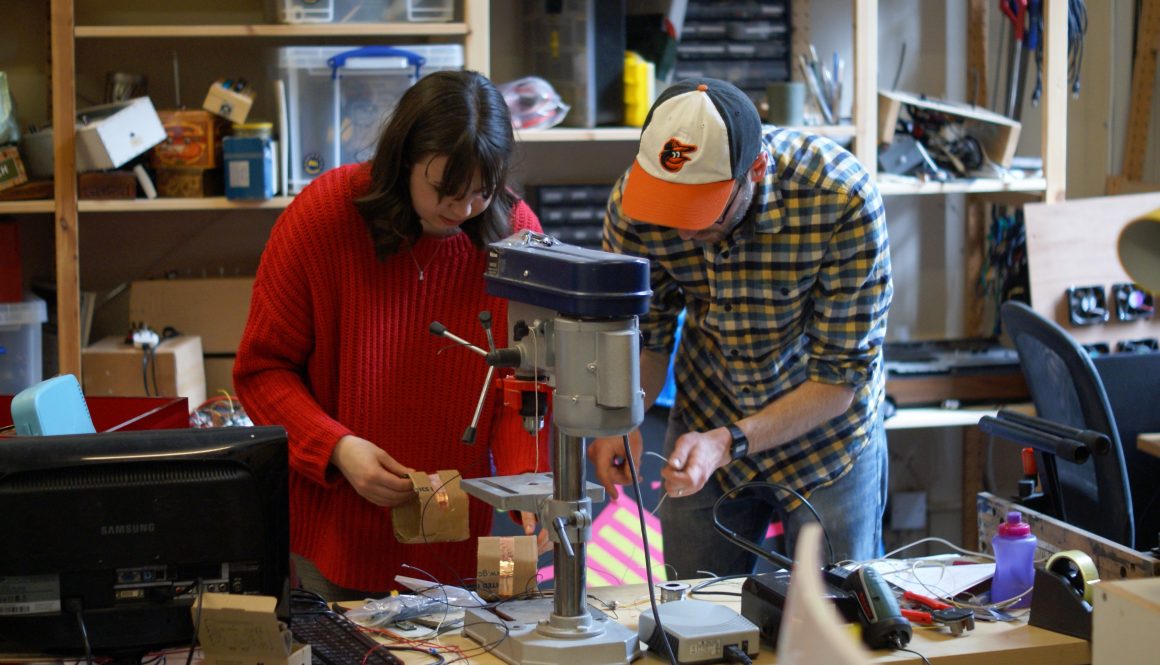
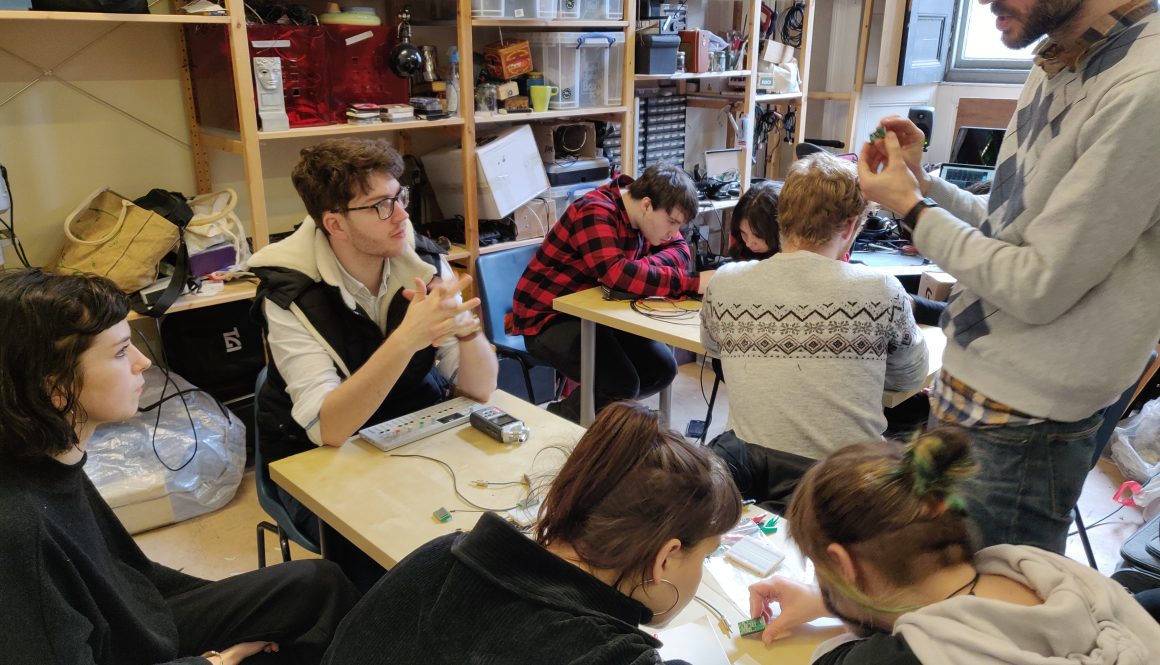
Over the last few months, the 2023 Room to Play group of musicians, sound designers, visual & projection artists, filmmakers, lighting designers, and performance artists have come together to experiment with technology in their creative approaches to celebrate the power of play, and collaborate on a new audiovisual exhibition of playful, nature-inspired sculptures.
In March the installation had its very first outing and public exhibition as part of the first floor of The Wee Hub, where the pieces were on display for people to explore and enjoy. The exhibits then made another appearance as part of our Orchestra and Dance Showcase on the ground floor of The Wee Hub, with the sound of the Room to Play sculptures kicking off a live, experimental music and dance performance piece that gradually weaved the audience into the Pianodrome venue for a concert performance with the Tinderbox Orchestra.
The installation is a gentle, playful, and beautiful meadow of responsive sound-making sculptures, that uses recycled and upcycled materials as the structural foundation of the work. It aims to evoke a sense of wonder, curiosity, and respect for the natural world, and invites us to reflect on our relationship with nature, the impact of our actions on the environment, and the urgent need to protect and preserve it.
The Room to Play exhibition is continuing to develop and will be appearing at other venues throughout the year, including Hidden Door 2023, Inspace, and Sierra Metro, so watch this space to catch it in action again!
Room to Play was designed by Abby Carter, Ink Asher Hemp, Antony Lucchesi, Jessica McIntosh, Shawn Mark Nayar, Kenneth Nuelan, Chandi Petro, Mark Sandford, Saffron Slater, Lingli Wang, Maria Cecilie Wrang-Rasmussen and Zxy Dust, with Boris Allenou and Luci Holland.
Find out more about Room to Play and the artists here:
tinderboxcollective.org/room-
#TinderboxRoomToPlay
#TinderboxRoomToPlay